PROJECT AXIS
An initiative to design AI-powered smart glasses to help the 43 million people who are blind and the 2.2 billion more with vision impairment.
Explore Projects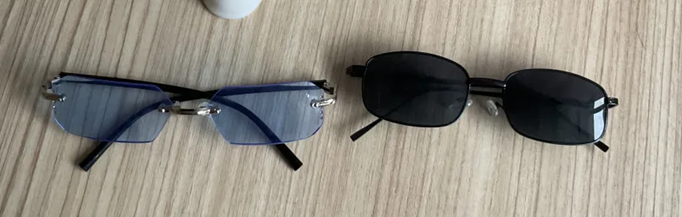
Behind the Scenes
From the camera to audio feedback — our product is built with precision and carefully selected materials.
Read Blog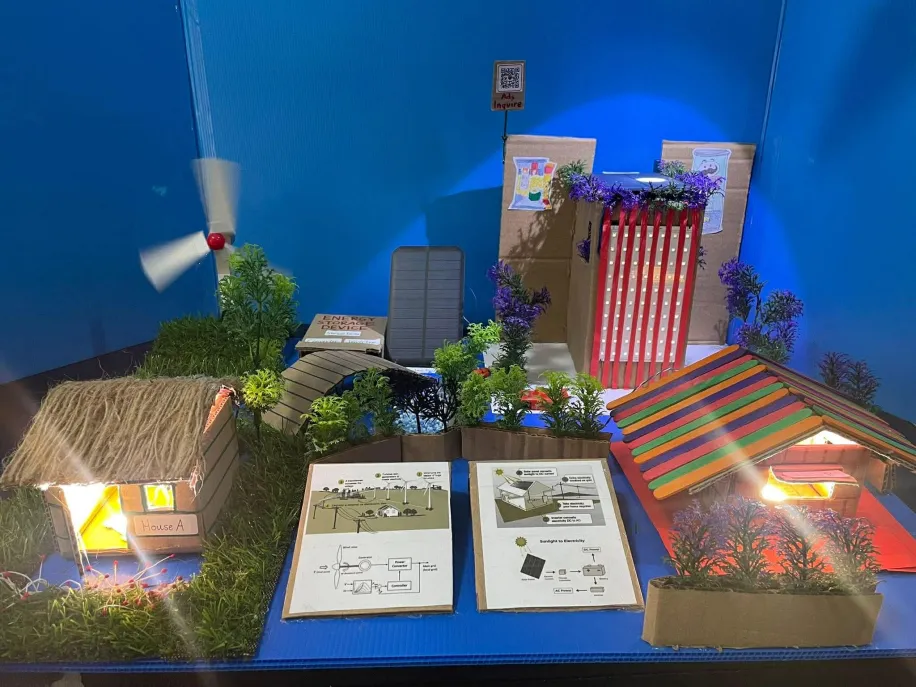
Our History
From a school science project to an assistive technology startup — see how we got here.
Meet the Team[ Projects ]
Wind Energy VS Sun Energy
Real-life engineering examples comparing wind turbine and solar panel energy output in a controlled test.
Read More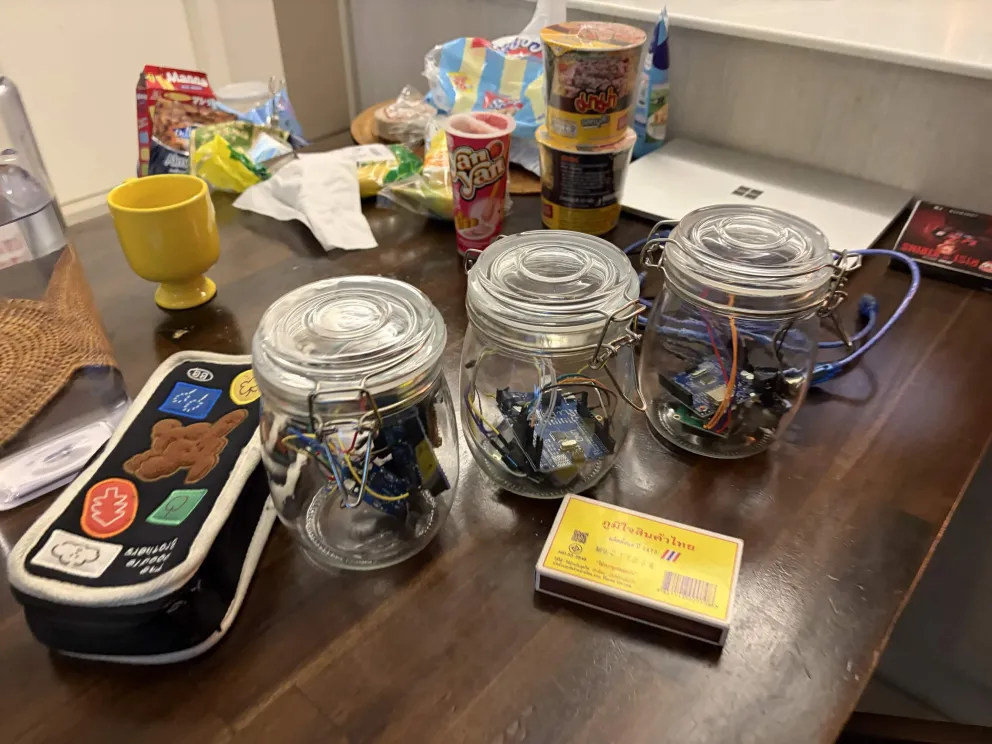
CO₂ Levels
A smart environmental monitor tracking CO₂ levels and displaying real-time data using sensors and microcontrollers.
Read More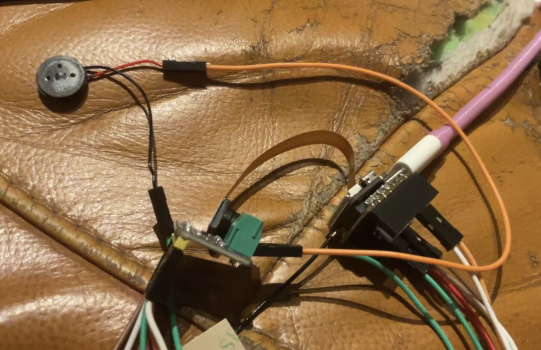
Smart Glasses [Flagship]
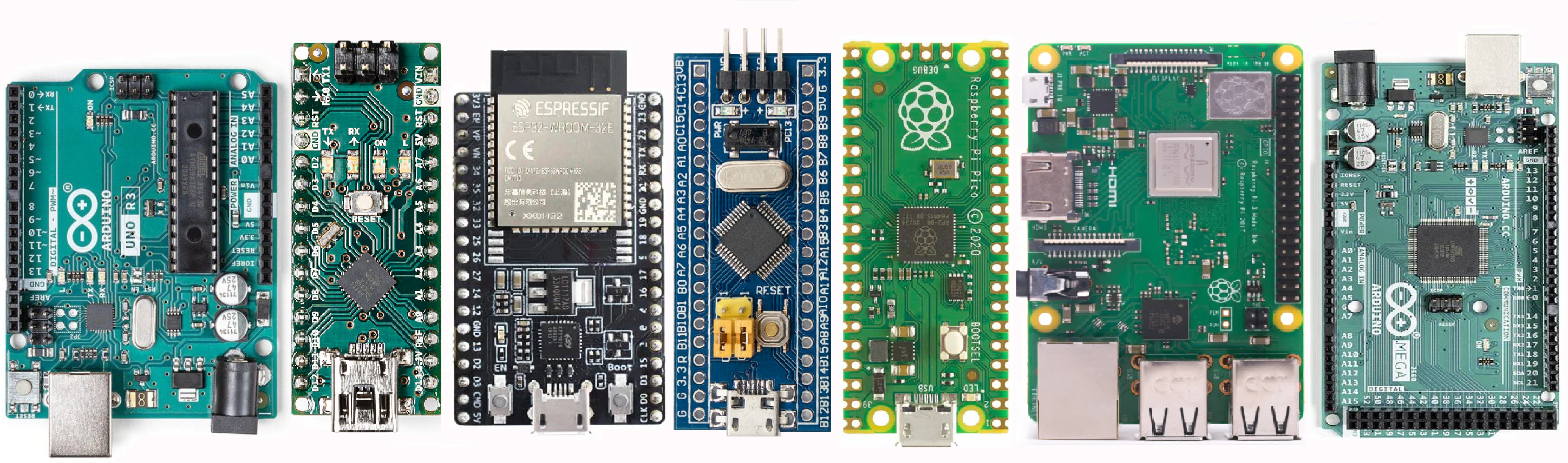
AI-powered glasses for the 43 million people who are blind and the 2.2 billion more with vision impairment — minimal materials, affordable microcontroller hardware.
Read More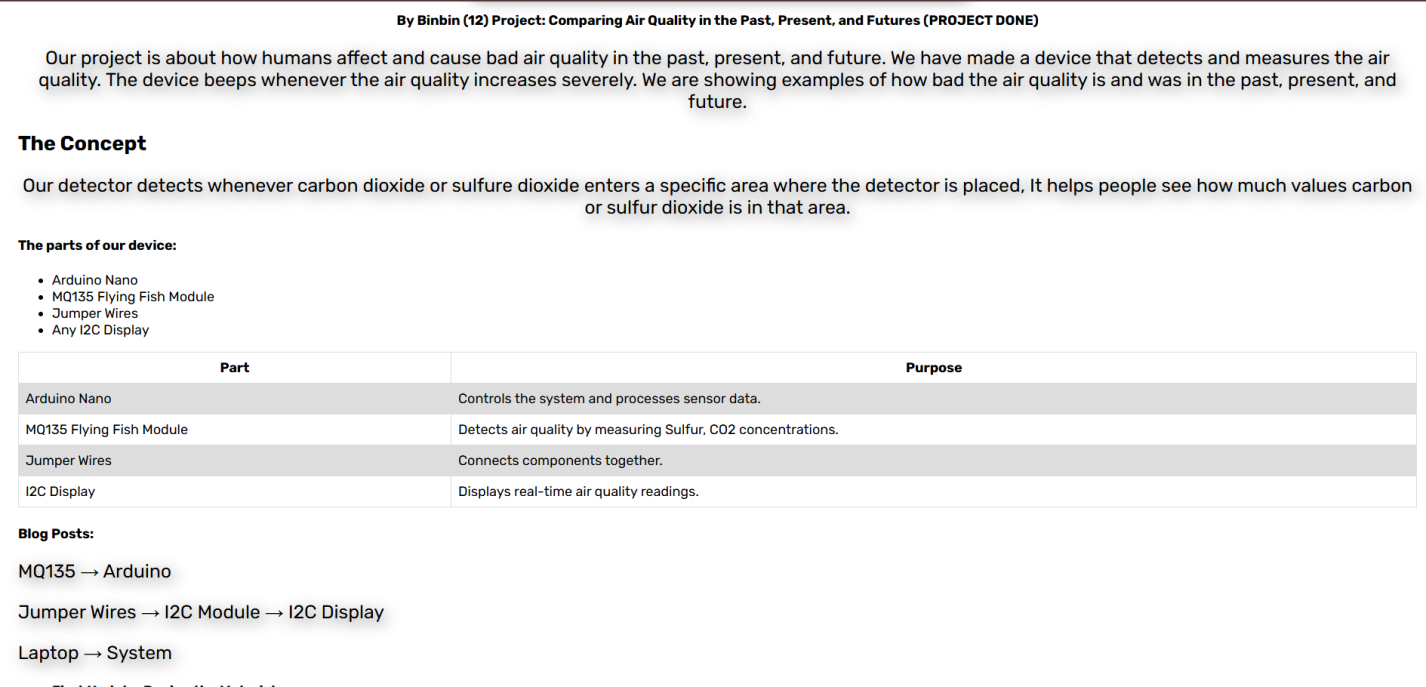
Blog Posts
Behind-the-scenes posts covering our projects — images, materials lists, and full reports.
Learn More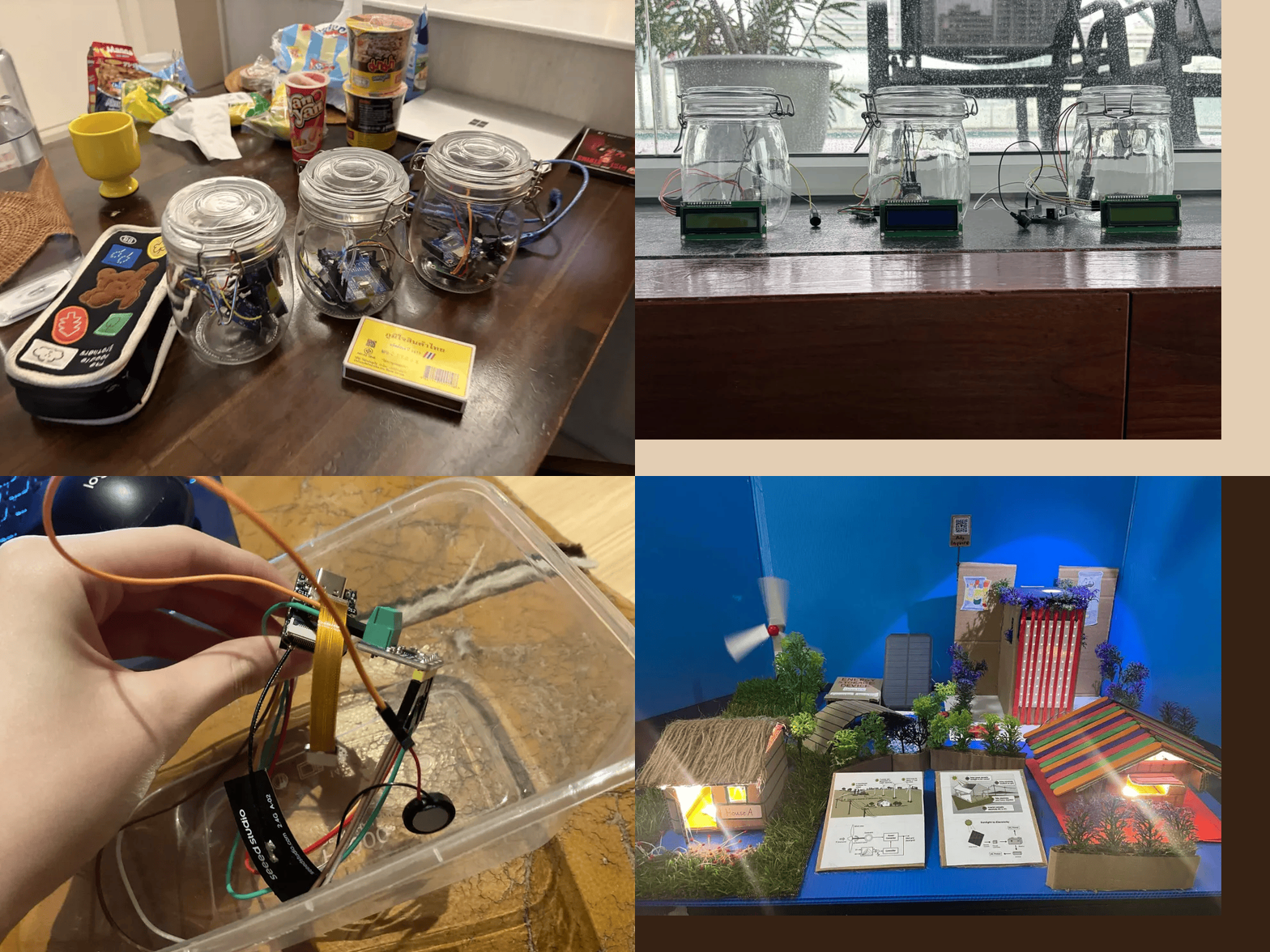
How SoundView Works
A sound, a picture, a description.
Capture
A wide-angle camera on the frame continuously reads the space ahead — sidewalks, doorways, signage, faces, obstacles.
Process
The ESP32-S3 Sense records the spoken question via its onboard microphone and captures an image with its onboard camera, then sends both to OpenAI's Vision API over WiFi.
Describe
The scene is turned into a short, plain-language description — "curb ahead," "door on your left," "person approaching."
Feedback
The AI's text response is converted to audio and played back through a 13MM speaker mounted near the user's ear.
Who's Building It
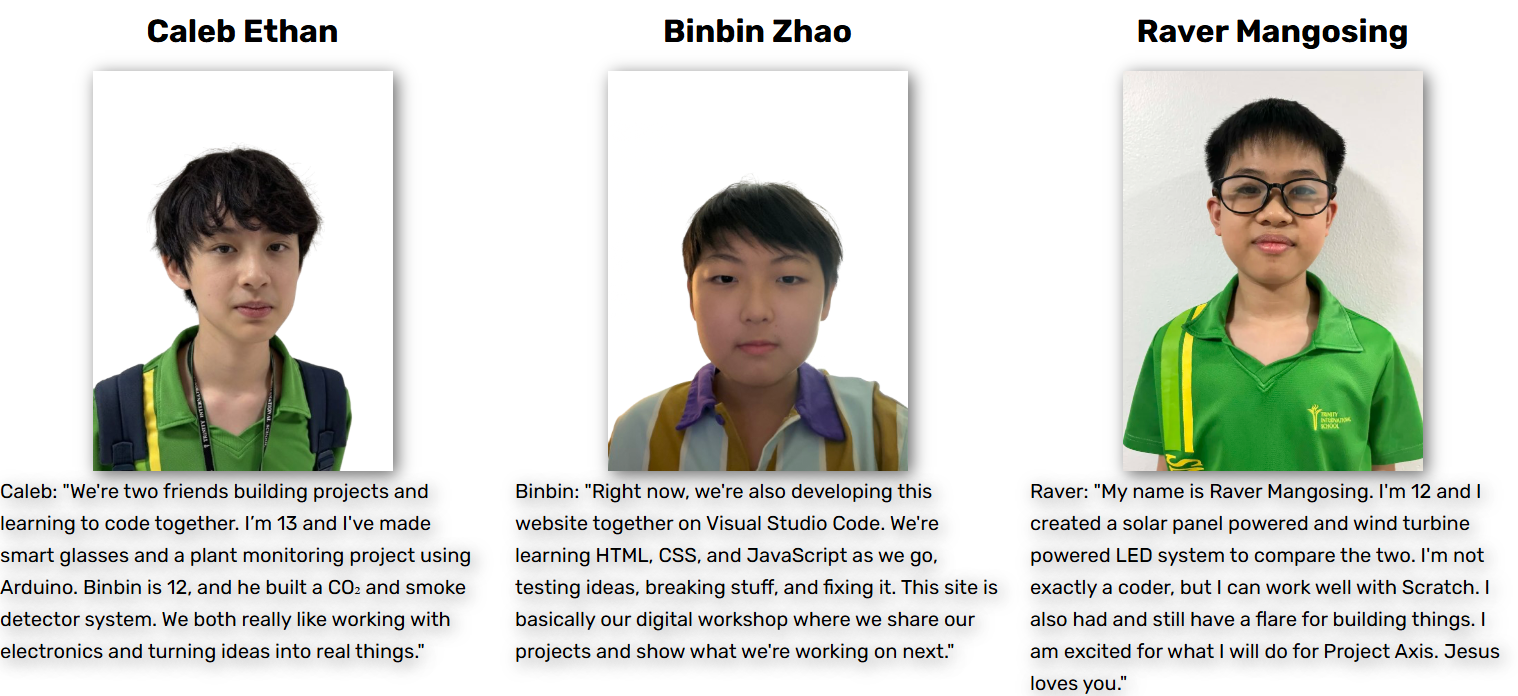
A small, student-led team.
Project Budget
Project Axis runs on a ฿3,600 THB budget — funded entirely by Caleb's dad. Here's exactly how we're putting every baht to work building SoundView.
Questions
Frequently asked
What is Project Axis?
Project Axis is a student-led initiative building affordable, AI-powered smart glasses for people with vision impairment. We design, prototype, and document everything in the open as we go. It also includes many other projects, things that have to do with arduino, and IOT, so that we can learn from them and build the smartglasses.
How do the SoundView glasses work?
A camera on the frame reads the space ahead, OpenAI's Vision API identifies what matters in the scene, and the result is spoken back through a 13MM speaker driven by a Max98357A amplifier — see the "How SoundView Works" section above for the full breakdown.
Can I invest or support the project?
We welcome support of any kind — hardware donations, advice, or funding. Reach out at [email protected] or visit the Donors page to see how you can contribute.
Is the hardware or software open source?
Our builds are documented publicly on the Blog and Gallery pages, including materials lists and circuit notes, so others can learn from and build on our work.